



Late Minoan period II to III ceramic containers
It is an ancient Greek ceramic container characterized by a unique decorative style, often associated with palace workshops in Crete. This style of pottery appeared during the late Minoan period II to III (approximately 1450 BC to 1100 BC) and is representative of the late Minoan civilization. Known for its exquisite decorations, especially the papyrus flower patterns depicted above, these decorations not only showcase superb craftsmanship but also reflect the culture and aesthetics of the society at that time. The prototype was discovered in Knossos, which was one of the centers of the Minoan civilization. It is a valuable resource for studying ancient Mediterranean world trade and cultural exchanges.

Clay Vase - Krakow Archaeological Museum, Poland
The Archaeological Museum in Krakow, Poland, has a collection of pottery fragments dating back to ancient times. These fragments were discovered during salvage excavations at the 1c site in Mogila (the area where the S. Ż eromski Hospital is located) in 1958. After repair, this pottery was able to be restored. It is made of sieved good soil on a ceramic wheel, with a smooth surface and polished. Above the crease on the shoulder, a decoration can be seen, limited by decorative strips, presented in a zigzag and diagonal mesh shape, separated by three buttons. This decoration is similar to the common decoration in the Przewalski culture and also appears on the edge of this container.

Frog shaped ceramic container
This frog shaped container has its body carved into a crouching posture, with a handle and water outlet on its back. Decorated with black, yellow, brown, and red paint, with horizontal black lines on the surface to represent the rough skin of frogs. The dots on the back and chin may represent the markings of the Marangon Poison Frog, named after the toxic chemicals it secretes as weapons against predators. The strong substance secreted by Poison Arrow Frog has also been used as medicine. Usually lives in rainforests, near rivers and lakes. Due to the destruction of its natural habitat, the Malan Weng Poison Frog is considered an endangered species.

Tonosi style pottery jar
It was produced in the region of Dakolai between 250 and 500 AD. This pottery style is characterized by three colors of decoration: red, black, and white. It usually features human figures, animals, or natural elements as decorative themes, separated by stripes, lines, or dot patterns. The typical types of this style are plates or double walled jars. This pottery jar displays a rich decoration, with the main pattern being a human form of a bird, whose features suggest it may be a heron or flamingo.

Frog shaped vessels of the Moche civilization in Peru - collected in Bonn, America
The frog shaped vessel is a cultural relic from the Moche civilization in Peru, and is included in the Bonn Collection in the Americas. This unique ceramic vessel, shaped like a frog, not only showcases the exquisite craftsmanship of the Moche people, but also reflects their profound understanding and reverence for the natural world. The Moche civilization is an important cultural period in South American history, known for its exquisite pottery, metal crafts, and murals. This frog shaped vessel is part of the collection of G ö tzVon Houwald, a collector who loves American art. Not only did it provide physical materials for studying the Moche civilization, but it also provided an opportunity for people to appreciate ancient American art.

Camel Ceramic Container - Bonn Collection
It is a ceramic artwork from the Bonn Collection in the Americas. This vessel features animal shaped decorative elements and a handle decorated with white paintings and five llama patterns. Its exact origin is unknown, but it comes from Johanna Sch ö pp's collection. The llama decoration on this ceramic vessel may be related to the ancient Andean civilization, which has a long history in South America, with the most famous being the Inca Empire. Camels play an important role in local culture, not only as a means of transportation and food source, but also with cultural and religious significance. Due to a lack of detailed information, we are unable to determine the exact origin of this vessel.

Colorful Carving Cup - American Bonn Collection Series
The colored carved cup is a pottery artwork from the Bonn Collection in the Americas. The body of this cup is decorated with finely carved geometric patterns, using colors such as green, brown, yellow, and blue to showcase rich visual layers and artistic expression. The origin of the cup is still unclear, which adds a touch of mystery to it. It is not only a display of ancient craftsmanship, but also an exploration of color and shape aesthetics.

Owl shaped lime jar
It is an ancient pottery from the 1st century BC, currently housed in the Minneapolis Museum of Art in the United States. The shape is inspired by the design and reflects the special emotions and symbolic significance of the ancient people towards the owl, a nocturnal bird. In many cultures, owls are often associated with wisdom, mystery, or supernatural powers. Not only is it a practical container, but it is also a beautiful artwork. The production involves fine craftsmanship, perfectly combining practical functions with artistic decoration. By imitating the shape of an owl, this pottery showcases the ancient people's ability to observe the natural world and artistic creativity.

University Museum of Tubingen Pomegranate Pottery
The University Museum of Tubingen has a collection of pottery art with a pomegranate theme. An ancient ceramic work of art, the pomegranate is a symbol of prosperity and harvest in many cultures. It is a cultural relic with a long history. Its fine craftsmanship and vivid modeling not only show the superb skills of ancient artists, but also reflect the important status and symbolic significance of pomegranate in history. The University Museum of Tubingen is located in Tubingen, Baden-Württemberg, Germany. The university was founded in 1477 and is one of the oldest universities in the world. Its museum may have a collection of various cultural relics and works of art from ancient times to the present.

During the Northern Song Dynasty, Ru Kiln Tianqing Glazed Bowl
Ru porcelain, originated in the mid Tang Dynasty and gained great fame in the Northern Song Dynasty, ranking first among the "Five Famous Ceramics" of the Song Dynasty. It was named after its production in Ruzhou City and has formed a prosperous scene of "a hundred miles of scenery on both sides of the Ru River, with continuous fire everywhere". It occupies a significant position in the history of Chinese ceramics. Ru porcelain's sky blue glazed porcelain contains agate in the glaze, with a green and vibrant color. The glaze is rich and shiny, like a pile of grease, and looks like jade. The sound of clasping is like a fragrance, and the texture is very good. There is a saying that "it looks like jade, not jade, but better than jade". The color is elegant and natural, and it is known as "the rain falls on the sky and the clouds break through".

Popular Models
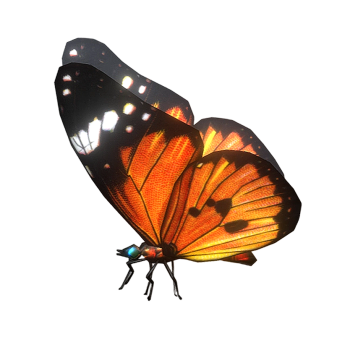
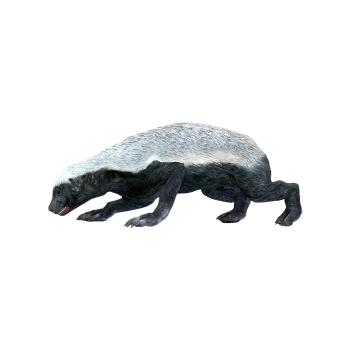
Honey Badger (3D animated model)
194 View
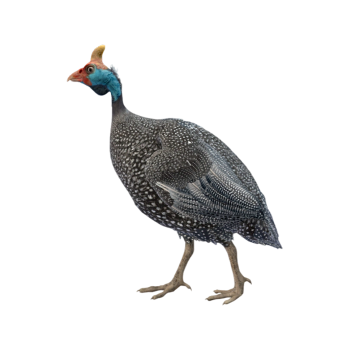
Guinea fowl (3D animated model)
165 View
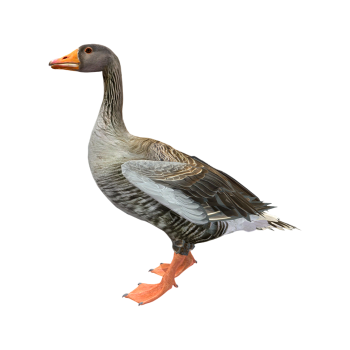
Wild Goose (3D animated model)
187 View
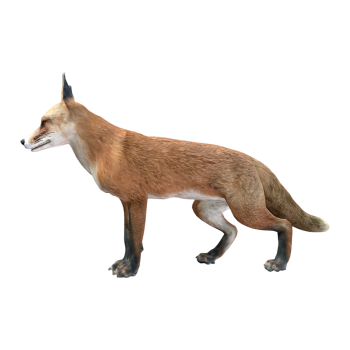
Red Fox (3D animated model)
155 View
Random Model

90 s Toyota Truck Medium Truck
642 View

Panasonic S-XBS speaker
855 View


Cheesy UA Cheese Phantom sneaker
684 View

Maserati GranTurismo Trofeo2023
890 View

Persimmon
705 View


palm potted plant
432 View


Dodge Challenger SRT Hellcats
849 View